Event planning doesn’t wait for creativity to strike. You have to contend with deadlines, inspiration, and ever-changing expectations. Of course, the challenge isn’t finding ideas once; it’s maintaining creative spark across clients, events, and seasons.
In this article, we’re going to take a look at some practical ways to sustain creative stamina, drawing inspiration from Cindy Lo’s “blue sky thinking” and her belief that structure fuels creativity. We’ll also explore how CORT Events can help you turn your ideas into plans that afford you time, bandwidth, and ability to execute — and guard against event planner burnout.
Key Takeaways: How Event Planners Sustain Creative Stamina
-
Creative stamina is built through systems, not bursts of inspiration. Repeatable processes protect energy and keep ideas fresh across clients, seasons, and event formats.
-
Consistent input fuels stronger output. Scheduling regular inspiration time — walks, travel, retail and hospitality scans, or curated design reviews — prevents idea fatigue.
-
Separate ideation from feasibility. “Blue sky” brainstorming without immediate constraints encourages bolder concepts before narrowing to practical execution.
-
Pressure-test ideas through the guest journey. Evaluating concepts from multiple attendee perspectives ensures creative ideas function in real-world event conditions.
-
Reduce execution strain to protect creativity. Consolidated vendors, turnkey furniture rental, and reliable partners like CORT Events free planners to focus on experience design instead of logistics.
-
Burnout prevention is strategic. Protecting creative bandwidth during sourcing, layout revisions, and on-site execution sustains long-term inspiration and performance.
Build a Repeatable 'Inspiration System'
Creativity doesn’t thrive on last-minute pressure; instead, consistent input feeds inspiration. If you’re constantly working on output, you begin to recycle ideas that feel increasingly stale. A system that prioritizes event planner wellness builds time to recharge into the calendar.
Lo steps away from the grind to give herself a fresh perspective. Domestic and international travel, and even social media, give Lo new ideas, but even a short walk can get the creative juices flowing.
“My main thing is I want to leave my laptop,” she says. “I want to kind of get out of my head space out of my inbox so that I can kind of recharge and if it's not, if I'm in Texas and it's not so hot, I will actually go take a walk over my neighborhood because and with just my phone and either a podcast or music because you just sometimes have to step away from the laptop.”
You can find similar sources of inspiration. Schedule a weekly 30-minute input sprint that you treat like a meeting you don’t cancel. Take a walk while listening to a podcast or music and leave work behind. Look to lighting, lounges, activations, and experiential design for a curated inspiration scan. Look beyond the events world to arenas like retail, hospitality, and museums for new cues. Ask yourself, “What did I notice that could become an event moment?”
If you have a partner that can turn inspiration into genuine environments, you can devote your time to shaping the attendee experience instead of hunting down pieces. CORT has the inventory and support you need to turn a spark into a scenario.
Blue Sky First, Then Make It Real
You and your team should keep creativity alive by separating idea-generation from reality checks. Lo and her team use their “blue sky” time to throw out ideas with no boundaries; then they pare down their larger list later. The crucial part is to resist the urge to self-edit too early, particularly when time is a factor. Lo reminds us that sometimes you have to slow down to speed up.
Spark creativity with a 15–20-minute Spaghetti Wall brainstorm, where everybody shares three ideas with no critique; make it safe and fast. After the timer ends, decide which ideas to steal, remix, or spark. Put one team member in charge of capturing and connecting themes.
You can only count on blue-sky concepts if you can execute them cleanly. CORT can help you quickly pressure-test what’s feasible in terms of furnishing and space, and they can assist you in pivoting selections without derailing the creative intent.
Pressure-Test Ideas Through the Guest Journey
Inspiring ideas have to do more than sound good; they have to survive real people moving through real spaces. Lo suggests testing concepts from various attendees’ points of view to weed out the ideas that are “too clever to work” and prioritizes the guest experience.
“Don't be so stubborn that you have to move forward with that one creative idea, and you will die on that hill. No one takes it,” she says. “You really want to pressure test it because here's why everyone is going to view your creative idea from different angles, whether they are exposed to a lot of things or not enough events. Or maybe they're more conservative in their viewpoints. So what I often do is, after we come up with a solid idea, I ask them to please put it through [a] different journey.”
Take a quick journey through your event space, and view it through different lenses: Where do people arrive, pause, gather, and exit? What does the moment feel like for different attendee types? Where could friction happen: lines, confusion, noise, lack of seating, dead zones? Then lock down the basic, non-negotiable elements and determine what can be experimental. Swing hard with one big, calculated, creative idea in one high-impact area.
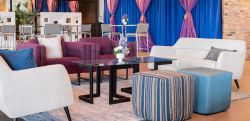
Furniture is your functional anchor that intentionally defines spaces, guides flow, and builds comfort. CORT helps you create elevated spaces that also perform well in real-world event conditions.
Protect Creative Bandwidth During Execution
On event days, spending creative energy on repeatable event planning logistics, constant sourcing, last-minute swaps, and reworking layouts can drain your creative stamina and lead to burnout. Fewer fires mean more creative energy. Lo maintains that when your foundation is stable, you can take smarter creative risks.
Make room for innovation without overload by adopting a “One New Thing” rule for your events: One new format element, one new design move, or one new tool. Consolidating vendors, building early contingency plans, and simplifying handoffs can help you reduce friction at multiple points.
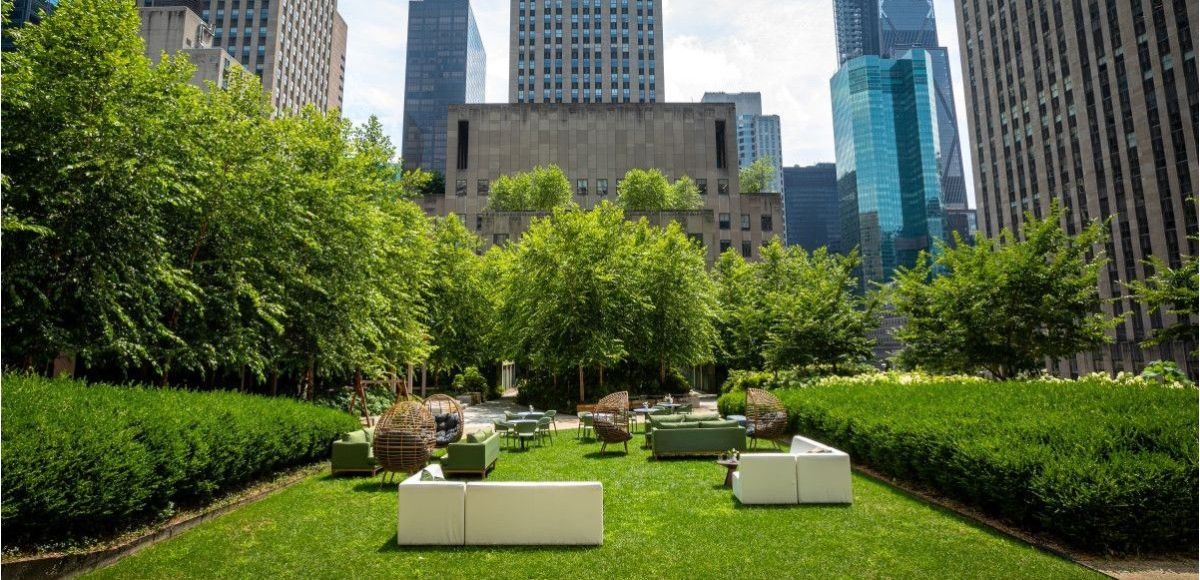
CORT’s on-trend inventory selection, quick turnkey event furniture rental, and reliability are ready to help you reduce execution strain so you and your team don’t have to reinvent the wheel constantly. This allows you to stay focused on the guest experience and creativity.
A Repeatable Path to Creative Stamina
Creative stamina isn’t a skill that you acquire; it’s a system you build. Creativity can thrive when you protect input, separate ideation from feasibility, pressure-test through real journeys, and reduce decision fatigue in event planning.
Planners stay inspired not because of unflagging energy, but because they design processes and support networks that keep inspiration returning, no matter the pace. CORT Events can partner with you to create environments that are adaptable and sustainable, drive collaboration, and allow you maintain creative stamina while remaining productive.