Wellness or Just a Buzzword?
These days, wellness is in vogue — especially in the event industry. No doubt you've felt the pressure to demonstrate that your event is "prioritizing wellness," but the efforts to do so can often ring hollow.
A phenomenon has emerged wherever companies and brands attempt to focus on wellness: something called "well-being washing." Forbes explains it like this: "'Well-being washing' happens when a business focuses more on being seen to care about well-being than proactively taking care of employees." In other words, a professed commitment to wellness can become performative.
Sometimes, in event planning, wellness may look good on paper but doesn't actually support attendees in meaningful ways. That's not good enough for attendees who expect a genuine commitment to wellness at events that they expect to meet their needs. For guests, an event must deliver comfort, safety, and support throughout the entire journey.
That's what we'll be looking at over the next few paragraphs. We'll explore how you can reevaluate your event planning to prioritize attendee well-being, rather than just checking a box.
Different Generations, Different Needs
One thing to bear in mind when it comes to wellness is that it looks different for everyone. That creates a unique challenge in that your initiatives should make room for everybody because guests seek initiatives that are authentic and consistent rather than one-off gestures that don't address real needs.
Wellness looks different for various generations. "Gen Zers and millennials are not a homogeneous group; there are nuanced differences in their perspectives on wellness," McKinsey and Company reports. "For example, although both groups rank sleep and health as their top two wellness priorities (but in a different order), Gen Zers give 'better appearance' the number three slot whereas millennials care more about mindfulness."
"Forty-two percent of Gen Z and millennials in the United States say mindfulness is a "very high priority" (versus 29 percent of baby boomers)," McKinsey adds. Gen X shares a similar mindset with baby boomers.
What does this mean for you? It means moving past one-size-fits-all wellness spaces and designing for demographic differences:
-
Older attendees aren't looking for a designated "wellness" space but instead expect various elements of the event to support their well-being throughout the event physically. They might prioritize ergonomic seating, soft lighting, and accessible quiet areas for recovery and comfort.
-
Millennials and Gen Z pursue mindfulness, which means that they're more "open to experimentation and interested in testing digital solutions." They may gravitate toward new experiences and prefer mindfulness exercises or breakout sessions pertaining to mental health.
-
Certain attendees will prefer low-stimulation environments and clear wayfinding. They will often consider the impact of physical space on their mind and bodies.
True wellness isn't about trendy add-ons. Instead, it's about making sure every guest feels like you're supporting them, and that involves inclusive event planning.
Designing with Intention
Surface-level wellness initiatives may look terrific in social media photos, but they don't do a thing to foster trust. Superficial initiatives can backfire at your event, which can lead to cynicism and mistrust rather than engagement.
The best way to avoid this disappointment is to incorporate wellness into your event design from the start, rather than trying to add it on or overlay it at the end of your planning. Here's how that looks:
-
Before the event, engage in clear communication that sets expectations and alleviates stress. You can even survey attendees to gauge their feelings just before the event.
-
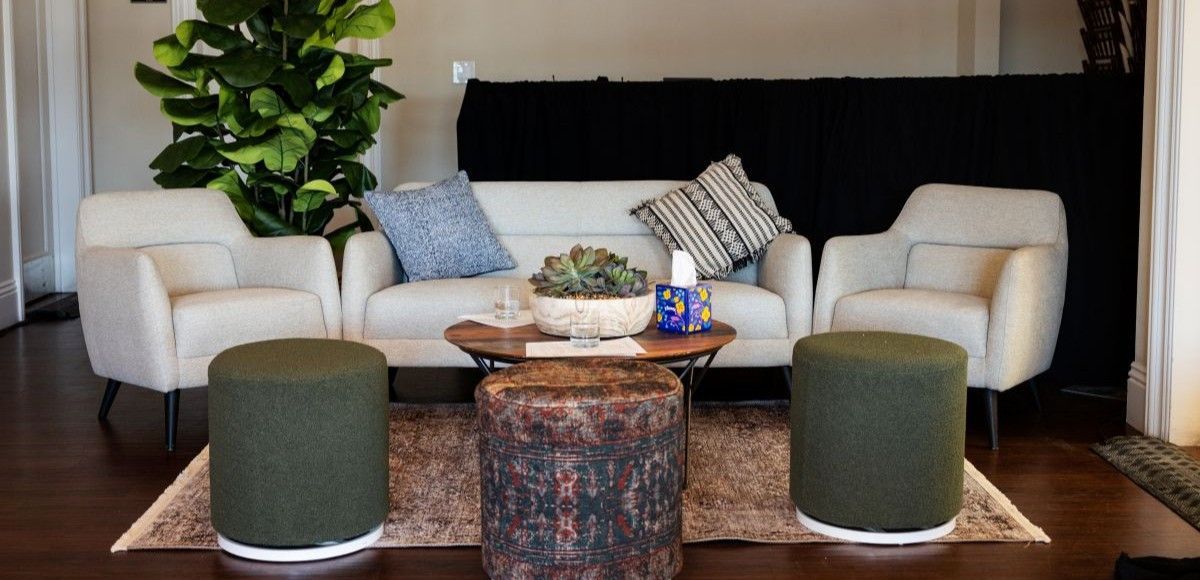
During the event, meet attendees where they are with an array of spaces — high-energy networking lounges, quiet recharge zones, comfortable furniture, and flexible seating layouts — that cater to their needs, regardless of how they arrive at the event.
-
After the event, provide recovery spaces that allow attendees to reflect and decompress before returning to their everyday lives.
An intentional commitment to wellness transforms the guest experience and creates something meaningful.
CORT as a Partner in Real Wellness
You can avoid "well-being washing" by listening to people, gaining an understanding of what they need, and developing initiatives that can genuinely enhance the event experience. This is how CORT approaches event design, making us the ideal partner for you.
We're more than a rental service — we're a solutions-driven partner who helps you deliver a commitment to wellness that's both practical for you and fulfilling for attendees, including:
-
Ergonomic lounge furniture that maximizes physical comfort.
-
Flexible modular seating that allows you to configure both high-energy and low-stimulation zones.
-
Tech-enabled pieces, including charging stations, to ensure digital wellness.
-
Space planning tools to help you map out wellness-friendly layouts before the event.
We provide consultative design support to ensure that the experience incorporates accessibility and flow that make everyone feel welcome. With CORT, you don't have to fall prey to well-being washing. You can be sure to design spaces that look beautiful and feel supportive, no matter the guest.
The New Wellness Standard
Today's digitally overloaded, high-stress world, combined with rising attendee expectations, means that wellness is no longer a luxury. However, your efforts to incorporate wellness into your events must be genuine to move beyond mere wellness watching.
If your event plans make a genuine commitment to wellness that makes everyone feel seen, welcomed, and treated right, attendees will trust and return to events like yours. CORT Events helps you execute your event wellness design with intention. Our consultative approach to planning allows you to create personalized experiences and spaces that don't just give lip service to wellness but make every guest feel like the event was curated just for them.